Sharpness to Patch Bridge
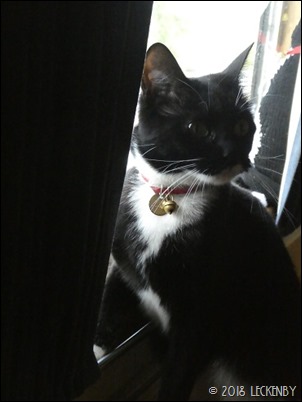
Once Tilly had come and gone a few times this morning we were allowed to go off and have an explore of Sharpness.

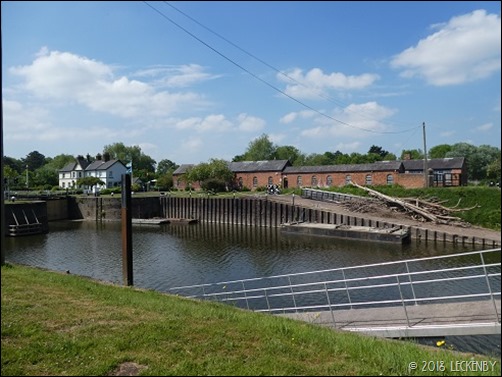
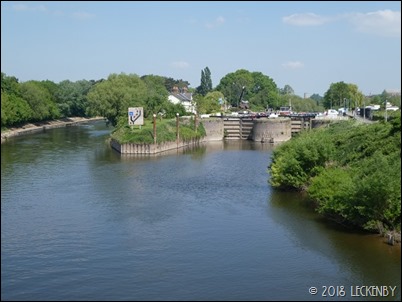
We followed the Old Arm down to the Old Tidal Basin and lock. Much of the Old Arm is now used for mooring and what was the lock down into the tidal basin has boats moored there too, the old lock gates still in position. Huge rings fixed by the wall are now far too big to moor a 35ft cruiser to, but are just a sign of the size of boats that once used to use the arm.
The original dock opened along with the canal in 1827. It was separated from the Severn by a lock gate and when open to the river the level in the dock varied depending on the tide. A lock brought ships up onto the canal and through the years was expanded to be used by the ever growing sized ships. By 1874 ships had out grown what could be accommodated here so a new dock was built to the South. A large lock and tidal basin meant that the docks above could be at the same level as the canal. Should bigger vessels want to dock the tidal basin could also be used as an extension to the lock.
The old lock and dock had only served to get the ships from the river and on their way to Gloucester, but now the constant level encouraged wharfs and warehouses to be built in Sharpness. With the arrival of the railway and swing bridges across the canal the dock became a port in it’s own right.
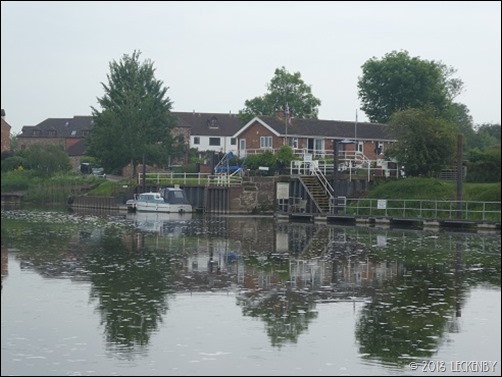
In 1908 the old lock and basin were abandoned the old dock was used for boat repairs and by 1990 the gates were fully removed and replaced by a weir enabling the whole of the basin to be at the same height as the canal. Above what had been the River gate is the old Harbour Masters House, now used by the Severn Area Rescue Association. A Land Rover with Lifeboat written on it’s bonnet and a slipway a distance away suggests that there is a lifeboat stored away next to the house.

The Harbour Masters House sits in a very exposed position, with views both up and down the Severn. Both Severn Road Bridges can be seen in the distance and we might even have spotted where Mick’s sister Kath once lived in Severn Beach. As soon as we walked out of the shelter of the house we had to cling onto our hats and the force of the wind was so strong it resonated the railings along the sea wall. It was very eerie, I tried to record the sound on my camera but the wind just upstaged it. From our position today and with the tide low we could see the wrecks of both the tankers that had collided with the railway bridge. We could also see that maybe a few more beached vessels were needed to help with bank erosion.

We followed the track over to the newer docks, stopping to have a closer look at the wind turbine on the head land. They really are massive things, can you spot Mick at the base? Apparently it was really quite quiet stood next to the turbine as it swept round creating its 500 KW.
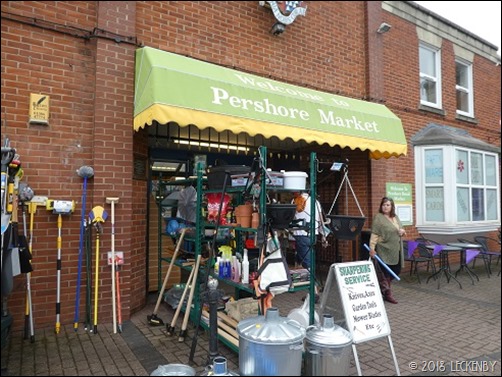
From here we walked down to Dock Road where we followed signs for a shop. A few houses with what had been a Post Office, we decided to go inside and see if they had any potatoes. The lady behind the counter told us that when they lost the Post Office their income had halved, it was a good job that they had a very big paper round which helped keep them going. The only potatoes she had were tinned, not what we were after so we came out with a midweek newspaper instead.
A string of houses look down to the dock and the old rail tracks, now mostly overgrown. The odd bit of old rolling stock sits idle, maybe waiting some TLC from some local enthusiasts. There were plenty of boats out on hard standing and more in the water. Planet the old Light Ship that used to be at Liverpool Docks has made it’s way here after being removed for not having kept up with it’s mooring fees (according to The Liverpool Echo). It is hemmed in by other large ships, one with a bladeless helicopter on it’s roof. A tall ship stands at the end looking in much better order.
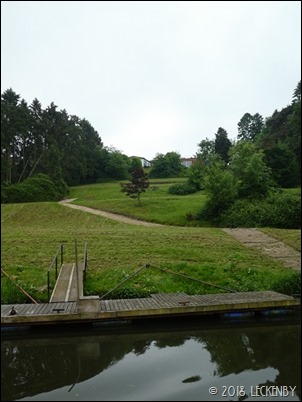
We followed a track round to some gates near to the lock from the river. A big sign said that when ships were on the move then the gates may be locked, at other times we could enter. Not locked, so we followed the designated route towards the lock and Tidal basin. The basin is huge and looking down we could see where a small pontoon has been built to accommodate smaller boats, such as narrowboats that navigate the 18 or so miles to the mouth of the River Avon at Avonmouth and Portishead before heading up to Bristol. To do this you need to have a pilot with you. NB Chrysalis was booked to do the crossing at the end of last week but we’d wondered if it was too windy, but there was no sign of them in the docks, so they must have gone.
We crossed the lock top gates and walked up around the docks into Newtown, everywhere felt a bit like Keadby on the River Trent, desolate, accompanied by the loud crashing noises of scrap metal being moved around down by the docks. Our route brought us down to Sharpness High Level Swing Bridge where we could look down to the Lower Level Bridge, a crane storage site and have a view into the docks. Only one ship was in, Wilson Gadansk, with it’s cover wound back. It was strange to think Oleanna our little narrowboat was on the same pound of water not far away.
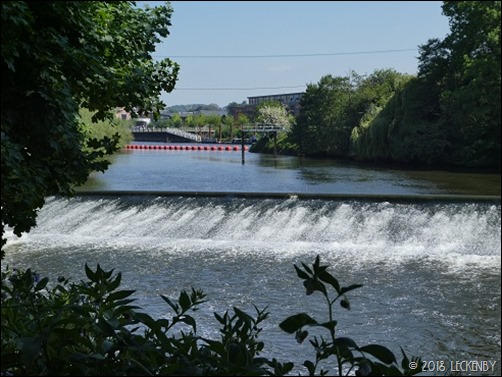
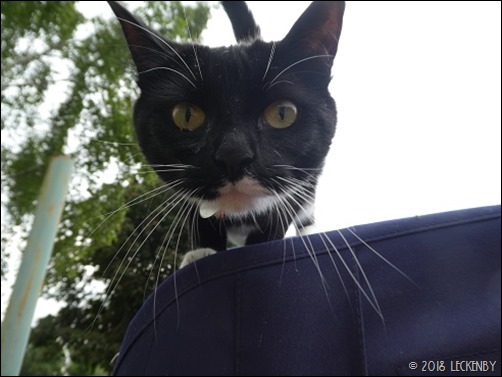
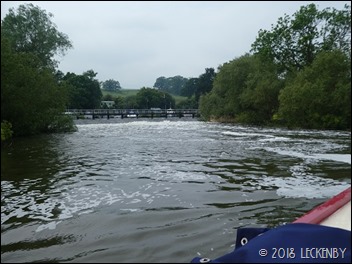
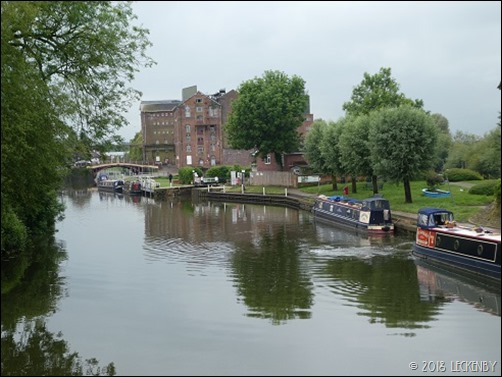
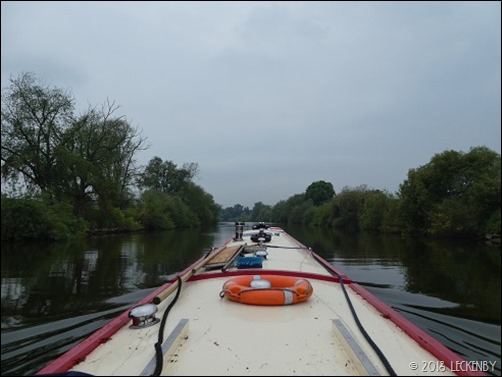
The weather forecast had been for a horrible day, but it had turned out considerably better than expected so we decided to move back along the canal to Patch Bridge. The approach to the first of the Purton Bridges is around a bend, but just by the weir there is a camera giving the Bridge Keeper a better view along the canal, the red light flashed as it came into view and the bridges opened up in turn for us. Not far to go before we pulled in, mooring up with a better view than we’ve had for a while, just a touch short of Patch Bridge. Tilly had a new rule added to her list, ‘NO bringing rare species of friends home!’
0 locks, 3 walked over, 3.35 miles by boat, 3.5 miles by foot, 1 lying Land Rover, 2 7 bridges, 2 wrecks, 2 hats clung onto, 250 dish washers, 1 newspaper, 0 potatoes, 1 small pontoon, 1 vast tidal basin, 1 Post Office just missed, 2 lots of shore leave, 1 tyre fender deployed, 678,946,423,273,806,449 new colourful feathery friends, only one that squeaked!
Severn River level at 9am today (at Bewdley a mile upstream from Stourport) 0.815m,
level at Diglis, Worcester at 9am today 0.735m,
level at Gloucester Docks at 9am today 0.863m (the tides will start to affect the level again).

Whilst we had breakfast Tilly was allowed out, when she returned would dictate what we did for the day. The water gauge was reading just under a quarter full so we decided that when she returned we would carry on towards Sharpness stopping for water at an available water point. It was cold and very windy, so I got my padded waterproof trousers out again ready for the off.

We pushed off once we knew there was no lasting damage done, both to Tilly and Oleanna. Through Splatt Swing Bridge, on past the Cambridge Arm feeder where a new build sits at the junction. After the next two bridges we pulled in for water. Just before the bridge there is The Black Barn, a cafe, gift shop and they sell red diesel. The Slimbridge Wetland Centre is just a short distance from here, we may stop and have a good look round on our way back, also have a top up of diesel.
At Purton there are two swing bridges in quick succession, both operated by the keeper at the Lower Bridge. Cameras mounted high up catch you arriving. As you pass through the Upper Bridge the Lower one starts to open.
The
Around the next bend is a long straight, which looks like it is very close to the Severn on the maps. We hoped for a mooring with a better view this time, only to be thwarted by high trees and undergrowth blocking virtually all the view. No break came until we’d passed the old Severn Railway Bridge. Here a wall would shelter us from the prevailing wind but also block our view, another trampoline required. Almost at the end we winded and pulled up. Tilly used the back doors to go out this time, but wasn’t too impressed at what greeted her.
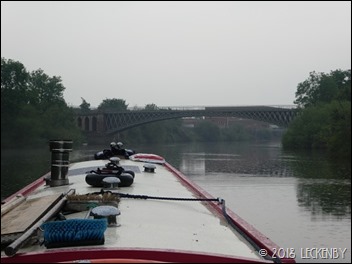
In the afternoon we wrapped up warm again. Walking up the canal you pass what was the Severn Railway Bridge. A typical start to any bridge sits on one side of the canal and a round stone support on the other. This support was once the pivot point for a rail swing bridge and it housed the steam engine that opened it to enable tall ships to pass along the ship canal. But why is there no other signs of the bridge crossing the river? The bridge was used to carry coal across to Sharpness docks for export. Opened in 1879, it was 3/4 of a mile long with 21 spans supported by cast iron columns sunk into the river bed.
25th October 1960 disaster struck when in thick fog and on a strong tide two tanker barges missed the entrance to Sharpness Dock and were carried further upstream to the bridge. Wastdale H collided with the 17th column rupturing her petrol tank, Arkendale H was forced by the power of the tide on top of her. Two bridge spans collapsed rupturing a gas main and electric cable that passed along the bridge. All this led to a massive explosion. Three crew members survived and a train had missed the explosion by seven minutes. It was not economically viable to rebuild the bridge so the remainder was demolished, at low tide you can make out the wrecks of the tankers.
On the shoreline are numerous other wrecks, known as the Purton Hulks. These ships were however beached with the intention of strengthening the canal bank from erosion form the river. It started in 1909 with the beaching of a small fleet of semi-redundant timber lighters, more followed through the years up into the 70’s and now The Purton Ships Graveyard has 81 vessels on the shoreline. Each vessel was taken out from Sharpness Dock on a high Spring tide, towed towards the shore then released so that it would charge up the bank. Holes were then knocked through the hull so that on subsequent tides the holds would fill with silt helping to reinforce the bank.


The vessels are of various construction wood, steel and concrete. The later two materials withstanding the elements better than the wooden hulls. Archaeological research has been done to identify each boat and plaques have been mounted wherever a hull lies, listing it’s name, size and dates. Some are easily identifiable, others have very little left to show.
A fascinating place to visit especially on a moody windy day. For far more information click on the 
With very full tummies we all slept well last night. Once the dinette was swapped back from being a bed Mick started on cooking us breakfast. This had been requested by Duncan with some unsubtle hints before they arrived, so we’d shopped accordingly. A bigger and better spread than normal was brought out from the galley, we even had hash browns! This set us all up for the day especially Duncan.
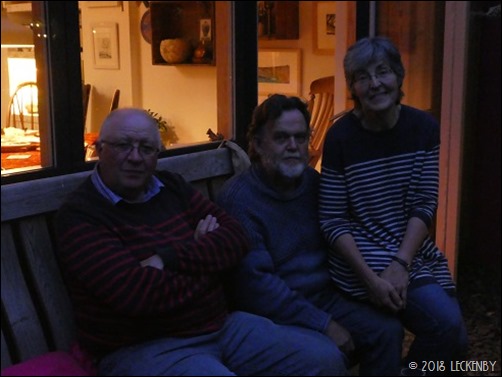
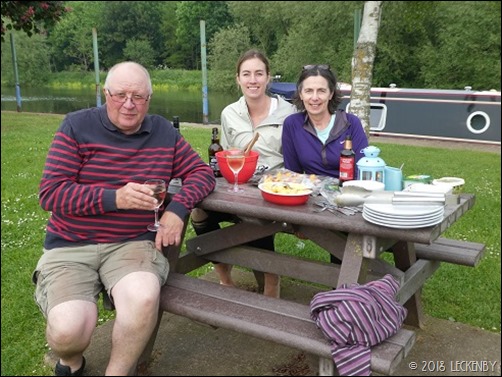
Once the plates were empty we had one last Stripy Crew photo before they stepped ashore and we waved them goodbye.
With Tilly home we could head off in search of our Saturday newspaper. In the village of Frampton there is a shop that we hoped would oblige so we set off, leaving it any later would risk them having run out.
Crossing over the swing bridge we passed an industrial area. Cadburys built a factory making chocolate crumb here in 1917 which remained open until 1982. Some of this is now a flour mill and other units have smaller businesses, one of which I’d like to visit on our way back 
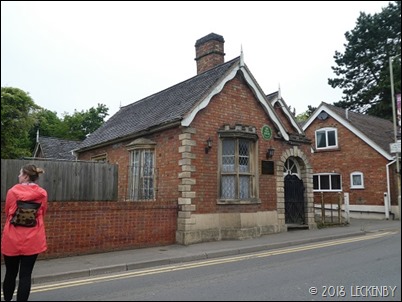
The Green Shop looks a bit like a small cricket pavillion. A little dig through the newspapers and we found what we were looking for. They stock some veg and local produce, a bit like a farm shop, just not quite the stock. There has been a Post Office here, but the service has been suspended.
We decided to see what the rest of the village looked like along the green. A selection of large houses ranging in dates fills the village, all very pleasing to the eye.
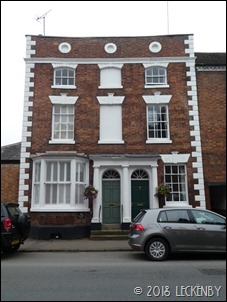
One jumped out to me and said buy me! Even though it wasn’t for sale. With a large garden, fruit trees and a house which looked like it was seeping character it had to be mine. I’ll just have to start saving now!
The green carries on with not one but several ponds, swans sitting on nests, another pub boasting it’s Camera credentials. On a notice board I spotted a poster for a show by theatre company 
A 

Back at the canal we waited for a boat to go through a bridge before we could cross to the towpath to walk back to Oleanna. Along the next stretch there was plenty of mooring possibilities with views over towards the Severn, so we decided to move up. Here would have been a perfect spot for a barbeque should the weather have been 15 degrees higher! We pushed off, came through one bridge , winded and then moored up right next to a big gap in the trees.
What a shame it rained for most of the day. We had guests coming and if the weather had been like last week we’d have planned a barbeque, but instead we lit the stove!
Jaye and Duncan are old friends from Scarborough and had been visiting family in Monmouth, just 15 miles away as the crow flies, only another 25 miles by road to get over the Severn. Duncan has been reading our blog from the day it started back in
First we walked down one side of the disused canal and then after one slightly boggy field realised that we were on the wrong side of it so had to retrace our squelching steps. Back on the correct path we had the canal on our left and the River Frome on the other for much of the way to the Severn.
The Stroudwater Canal had a long winded start. First thought of in the late 17th Century to transport coal to Stroud where woollen goods were made in the mills. The finished cloth would then be transported back along the canal to the Severn and on to market. An act of Parliament was passed in 1730 although there was a lot of opposition from mill owners worried that the water used to power their mills would be stolen for use in the locks. 5 miles of river improvements were done by 1761, but the works were proving to be too costly so the scheme was abandoned. A new act of Parliament was passed in 1776 for a plan that avoided much of the river and therefore the mills. Works were finally completed and the canal opened in 1779.
At Framilode there was a tidal lock, with differing gates to accommodate different tides. By 1794 a basin was built above the lock so that boats could wait for a suitable tide before entering the Severn. A horse drawn towpath was finally added in 1827 boats had been bow hauled prior to this. As ever it was the railways that brought about the decline of the canal and by 1922 any dividends from the canal had ceased along with the canal getting blocked at Framilode which severed the link to the Severn, leaving this end of the canal unused.
Much of the canal now is still full of water, but over grown creating more of a linear pond.
The views down the river were wonderful, just a shame some people got in the way!
To help our feet dry out we returned to Oleanna via the road seeing some rather interesting houses on the way.
In the evening we enjoyed a very large Salmon en Croute (there are left overs thank goodness) followed by a Bakewell Tart all washed down with some bubbles, more wine and lots of conversation.
0 locks, 0 miles, 1 pooh bucket, 0 guided tour! 2 balls of wool delivered, 1 dead canal, 8 soggy feet, 1 pub not open, 2 bowls of nibbles, 1 en croute big enough to feed the 5000! 1 bakewell, 1 bottle (yes I did say bottle) of white, 1 bottle of red, 1 bottle of bubbles, 1st overnight visitors to a fully finished Oleanna, Duncan had to be a first visitor of somesort!
The wind seems to like Gloucester! It doesn’t seem to have stopped since we got here.
Boats came by and as we made our way to Hempsted Bridge we felt sorry for the Keeper. I wonder if this is the busiest bridge on the canal, it is all manual including the barriers which have a rope hanging from them so you can pull them down. The chap appeared and closed the barriers maybe only just having opened them, then a jump onto the handle to get the bridge turning. Apparently when it’s windy it is a right pain to close. We thanked him and carried on our way only to spot another boat coming towards us just as the bridge closed.
We carried on under the next two bridges, Sim’s Bridge having a new coat of paint applied. About a mile further on we pulled in to a mooring shortly before Sellars Swing Bridge.
From here on all the swing bridges are low and have to be swung. Bridge Keepers cottages sit along side, not much more than bungalows, but with aspirations with their pillars and pediments. The views now opened out, hills to our right and left, fields of yellowing rape seed jollying the world along.
Nearing Saul Junction the moored boats increased in number. On the off side a collection of sheds seemed tacked together by windows, with more waiting for the next extension to be created.
At the junction there is a lock which leads to just a short pool of water where the Stroudwater Canal used to head off to connect with the Severn at Frimilode. Heading south east from the junction is a short arm all that remains currently of the Stroudwater which, once it connected to the Thames and Severn Canal, used to head all the way to the Thames. Parts of the canal are still in water but when the M5 and A38 were built this severed the canal.
Saul Junction and Sandfield Swing Bridges opened up for us as we approached, not a bridge keeper in sight. Certainly one of these is operated remotely, high above the bridges are cameras. We’ve been wondering why these bridges have to have Keepers. The ones with lower headroom may be wider than those on the Leeds Liverpool Canal, but there they are all boater operated, either with a key of power or just manual pushing. Is it because the bigger boats and ships would have difficulty in setting someone ashore to operate the bridges? A couple of years ago there was a trial of an app at Saul. Once downloaded this could be used to operate the bridge as you approached, thus no one having to be set ashore and disposed of the need for a bridge keeper. However this was shelved as there was the potential for people to sit in the cafe by the bridge and play with the app, opening and closing the bridge as they fancied, watching what chaos followed.

Today I was finally going to open my Etsy shop to see if I can sell a few of the things I’ve been making of late. I’d already got the process going a few weeks ago, but had wanted to take some good photos which I did last week. So with Mick out of the way for the day I sat down and concentrated, in between Tilly twanging the bolts on the back door wanting to go out! It took a long time to get things listed and I think I still need to do a bit of tweaking but the majority of it was done by mid afternoon.
I headed over towards the Cathedral walking through the dock buildings. The National Waterways Museum is here. Our entrance tickets to the museum at Ellesmere Port will give us free access, but it is currently closed. Hopefully it will reopen at the beginning of May so that we can visit before we need to head back up to Droitwich.
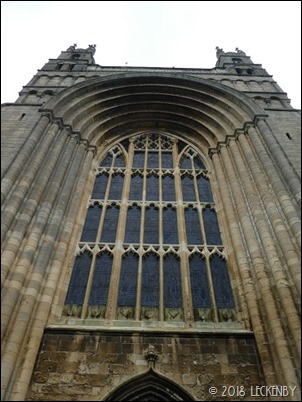
Narrow streets open up onto Westgate a shopping street and then behind here stands the Cathedral. With hardly a cloud in the sky it looked very magisterial the pale sandstone shining out. Details around the windows looked like intricate icing on a wedding cake. When we return this way we’ll be going to have a look inside. I found an interesting wool shop which sadly had just closed before I got there and around the corner was 
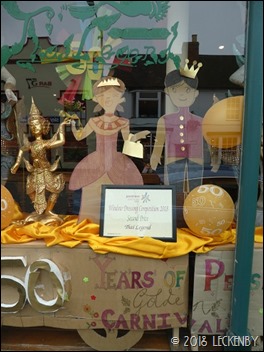
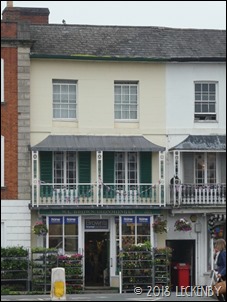
Back in 1998 when I was assisting Roger Glossop, designer for the premier stage production of Brassed Off, he was also in the process of working on refurbishing the shop that Beatrix Potter had used in her illustrations for The Tailor of Gloucester. In his workshop stood large models of mice all painstakingly created for the tailors shop. In 2001 the shop opened which was owned by Frederick Warne and Co, publishers of Beatrix Potter. So I was interested to have a look. When I reached the outside it was fairly obvious that things had changed, a plastic model in the window was not of the same calibre of the mice i’d seen being made. They were about to close, so a look around inside will have to wait, but I suspect it’s nowhere near as magical as it had been.
I wondered up to meet Mick from his eighth train of the day to hear how his day had gone. He’d had a periphery vision test done amongst other things. When he got to see the consultant, he had a very very close look in his eyes and suggested that some photos were needed for which Mick needed to have some eye drops. Whilst these were taking effect, stinging all the time, he waited. Then he was called back in to be told that they wouldn’t be able to take the photos and the main chap didn’t now think that they were necessary as he couldn’t see anything wrong. All that stinging for nothing. If his eyes hurt again in future he is being sent a letter to show an optician to enable him to have a pressure test done.
There were men on my boat! They were in the big box at the back, that I’m not allowed in! And one leaned into a box I didn’t even know about at the front, I must investigate this one it looked interesting. I’d been allowed shore leave this morning and hadn’t been given a time limit, which always concerns me, it usually means that they are upto something. I kept an eye on all that was happening, well whilst checking for friends in some interesting holes I could get my arms into.
The Gloucester Sharpness is quite wide everywhere, so far, so we possibly could have just winded from our mooring. But there was a very strong breeze and a tree down on the off side. We decided that we wanted some more room between us and the bridge as well. So once a boat had come past we followed it up to the next bridge. They got a green light to go through, which then turned red as another boat was waiting to come from the other side. This bridge has 7ft 7” headroom, so we could fit under it quite easily, but the narrowboat facing us had it’s pram cover up. The bridge keeper jumped on the handle of the bridge and got it moving winding it open. Once they were through he waved us on changing our light to green.
At the next bend we winded and headed back the way we’d just come. Mick had to be reminded that we now have a working bow thruster, so he gave it a quick blast just to finish the turn.
After lunch we considered going for an explore, we soon dropped the idea as the rain set in properly and the wind got up buffeting us against the pontoon. Only one thing for it, light the fire and watch the next episode of Breaking Bad and hopefully no need to run the engine before 8pm.
As last time, as soon as they reached us Kris was straight to work inside as Ricky and Chris/Kev were lifting the engine board.
Several months ago we’d noticed a darkening of the oak surround under one of the windows, this had gradually grown into a bigger patch. We’d been instructed to see if we could see anywhere where water might just be getting in around the window, but there was nothing that we could spot. I’ve been cleaning the gutters (for want of a better word) around the window as often as I could hoping that that might help. If it was condensation that was causing it then we’d have had similar happen in the bedroom, but this was the only one.
What to do about the stain? I have some crystals that when mixed with warm water would bleach the stain, I’ve not tried it, but apparently it works amazingly. Kris had a different idea, he had come prepared with a length of oak precut to fit over the affected wood. This he cut to fit round the Houdini shelf and then stuck it over the top. All staining removed. We decided to do the other end of the same panel so that it looked the same. Job done.
He then moved on to reseal some of the shower and check that all the pipes both in and out weren’t leaking as when we’d had a look behind the pull out shelves we’d noticed a bit of water.
Meanwhile, outside Ricky and Chris/Kev were busy. They removed the temporary batteries that have kept us going for the last year. These were never going to survive our needs for long, but we think that our training on battery management with our shareboat meant that we never ran out of power, we just had to run the engine twice a day.
The new batteries were slotted into the trays that had been made for them so many moons ago and were secured into position. They then made up new cables (bus bars) to connect them, soldering connectors to the ends. The inverter needed some reprogramming now that the type of batteries had changed. Then everything was tested to check it was doing what it should. It was. Hooray!!!! The display panel read 100% charge.
Chris/Kev now moved onto the bow thruster. On our way up to the Ribble last year we had blown a fuse when some weed got caught around the propeller. Mick had hunted round on the internet for replacement fuses. The Vetus ones were around £12 each, but Mick found 200 amp slow blow fuses much cheaper. He ordered several. When they arrived he replaced the fuse, the bow thruster worked for a couple of seconds and then blew the fuse again. Maybe what had caused the problem in the first place was still there. Buying some waders he then got into the water removed the grill and tried to unblock it. There didn’t seem to be anything there. Then in January we hired the dry dock in Chester for a day to see what the problem could be, the tube and prop were clear of any obstruction. 
With that all done it was time to visit the services. For this you need to pass through one of the 16 moveable bridges on the Gloucester and Sharpness Canal. Many of the bridges are high enough to just cruise straight through, but others are far too low to limbo under. Before we pushed off Mick called the Bridge Keeper at Llanthony Bridge to ask to pass through. We were told to approach and wait for the green light before passing through.

Whilst the water filled, we emptied the yellow water tank and disposed of our rubbish. Mick found an Elsan in the little hut up the ramp next to the bins, so no bushes were going to get a treat from us today.
The new housing estate had plenty of parking, but the towpath was as it looked on Google too high, also Tilly wouldn’t have felt comfortable there. So we carried on.
A call to Hempsted Bridge was made. We could see the Keeper rapidly doing various things on the bridge, then run over to lower the barriers of the off side. Here there are few buttons to press, much of it is done by hand. Once the barriers were down and locked in position he could then wind the bridge open. It took a bit to get going, but once he’d got the momentum up he easily turned the handle. Reaching into a box he turned the lights to green for us to pass. When we were through he did the whole process in reverse to close it, only for a trip boat to want to come through a couple of minutes later. It looks like quite a work out being on Hempsted Bridge.
No such problems at Netherbridge Swing Bridge as there is 14ft 9’’ clearance. This and other high bridges are not manned fulltime as they only need to open when tall ships pass through. Round a couple of bends and the next bridge, Sims Swing Bridge. The light was flashing red and then it turned to green for us to pass even though there was masses of clearance. Just on the other side there was what looked like a gap nearest the bridge for us to pull into. We checked with the keeper that we were allowed to moor there, as long as we were past the bridge lights it was fine. There was sufficient space for us.


We winded nearer the lock, avoiding being anywhere near to the weir and called the Lock Keeper. All the locks on the Severn are manned and a phone call or vhf radio call stirs them into action. We had a short wait for him to set the lock for us with the red flashing light, then once the gates were opening a green arrow pointed us towards the small lock. There are two locks here one small, which we could have shared and a large one, which looks like we’d have fitted in eight times. The large lock is currently closed, but I suspect we’d have been directed to the small one anyway.


The phone call was made at Upper Parting and we were asked how long we thought we’d be. ‘No idea, we’ve never been this way before!’ We were now in a cutting rather than a river, a whole different feel to it. A dart of blue shot across the water top. This is only our second sighting of a Kingfisher since the canals froze, I suspect the lack of water to fish in had an effect on numbers.