Category Archives: National Trust

Dapdune 31st July

Guildford Willow Meadows to Dapdune Wharf

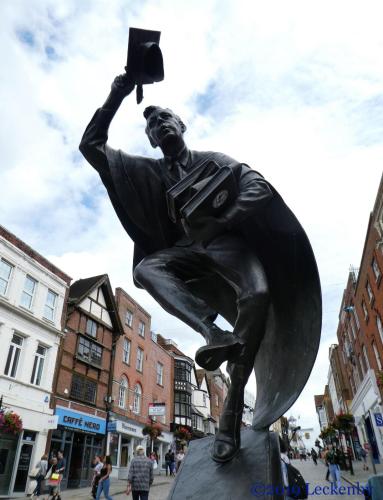
The Guildford Scholar

Having put off till tomorrow, due to the rain, we needed to go into town. There was the bank to visit, the new security measures being brought in for online banking had meant that I’d managed to lock myself out of my account! We also needed new vacuum bags to store things in under the bed. In the past we’ve had various types and gradually they have all failed, so this time we’ve gone for robust and protected ones with their own tote bags. We couldn’t remember off hand how big the storage area is under the bed and they don’t come in ‘about this by that and that’ sizes! So we will have to have a measure before we open any of the packaging up and I have a note of the different sized bags that are available.

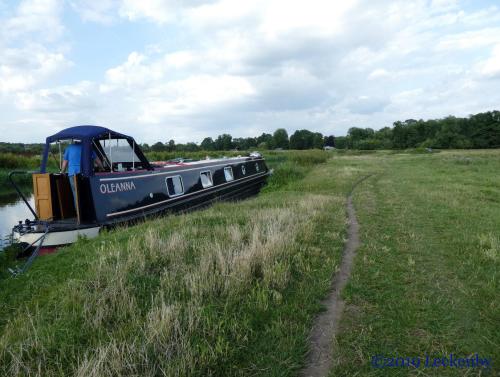
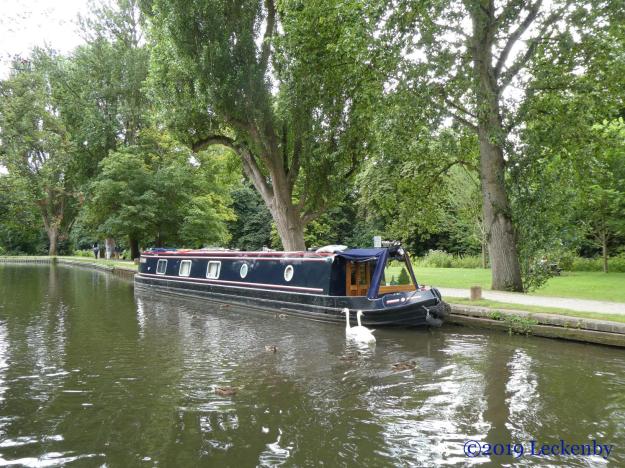
Tying to a tree, always good practice!

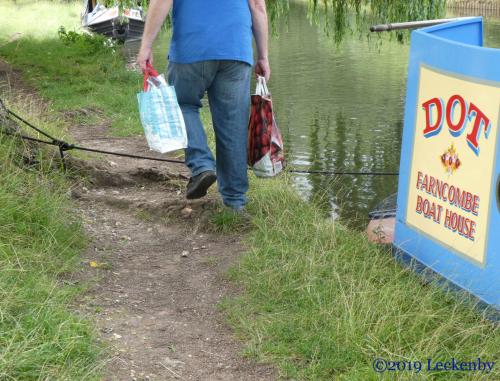
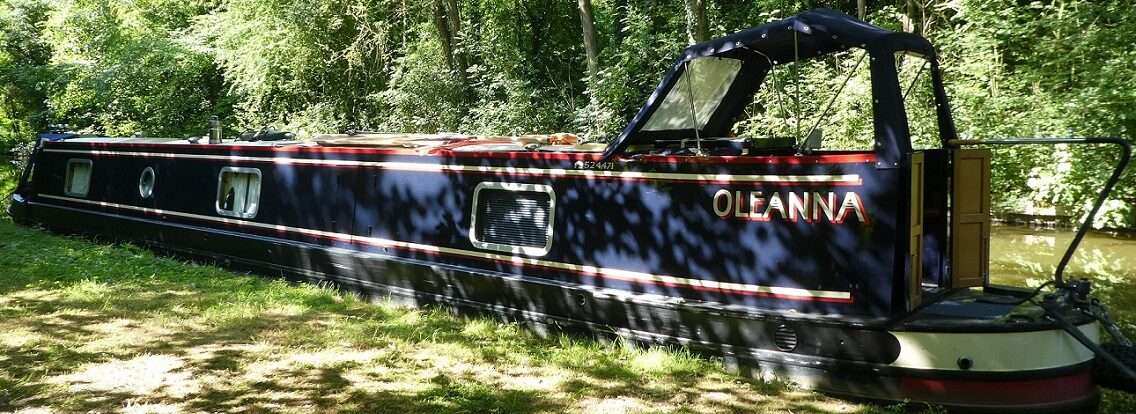
A top up on food and we headed back to Oleanna, hopping over the ropes from a day boat, we know they are given spikes as yesterdays boaters gave up hammering them in to also use the trees!

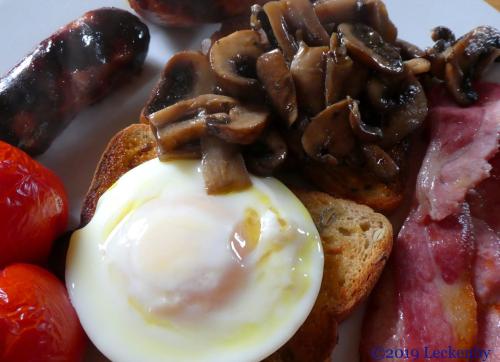
Yumm

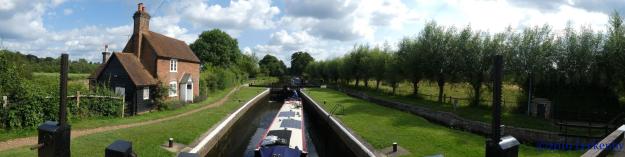
As we’d had a good breakfast today no lunch was required. We pushed off and made our way back into town, dropped down Millmead Lock with two swans who were quite impatient for the gates to open and then wound our way under all the roads.

Inviting themselves
Plenty of room for everyone

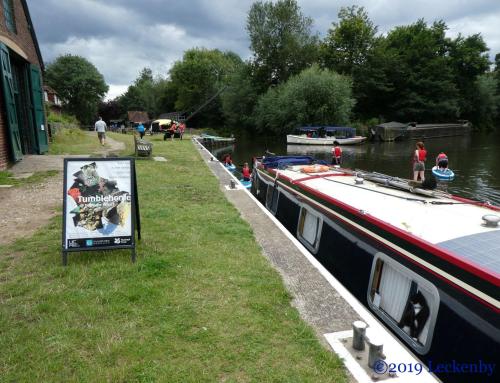
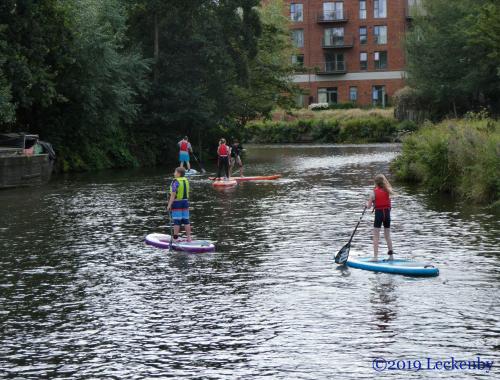
Our hope had been to get a mooring at Dapdune Wharf so that we could have a look around before carrying on our way. Coming round the last bend the wharf lay empty, not one boat moored there, just a mass of paddle boarders. Instructions were shouted to all the wobbly people and space was made for us to come into the side.

Dapdune wharf

The view one way was good, lots of people admiring me. But on the other side I wasn’t impressed! A high wall which gave tantalising views of people walking past and what looked like an interesting roof line. She said I wouldn’t like it, so instead of letting me out they went off and had a look round.

Paddleboarders

Dapdune Wharf was used for goods transshipment and latterly for barge building and maintenance. The site is now the National Trusts administrative offices for the navigation along with a visitor centre. After we’d had a cuppa watching the next batch of novice paddle boarders getting their confidence (or just getting wet!) we had our membership cards scanned and started to have a look round.

Reliance a Wey Barge

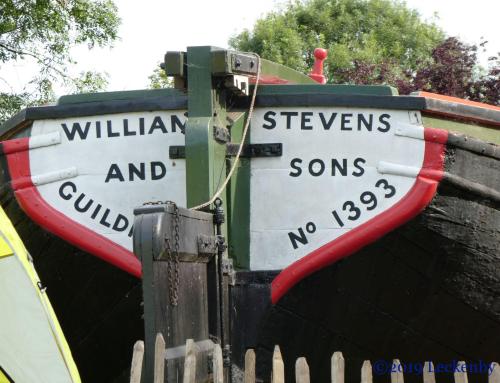
For over 150 years the Stevens family played an important role in the development of the navigation, first as Lock Keepers then onto management of a substantial transport business along the navigation. By 1902 the Stevens brothers gained full ownership of the navigation. The Edwards family was brought in and Wey Barges were built at Dapdune. The boats kept transporting goods into the 60’s and the navigation was finally handed over to the National Trust in 1964.

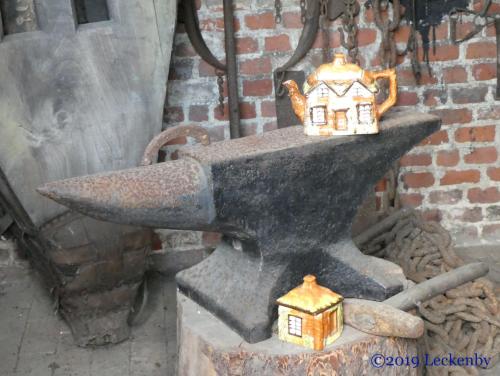
The Smithy

Here you can see the smithy, originally the nail store, given away by there not being a chimney. Repair sheds (now used to house the electric trip boats). A gunpowder store, building shed, a carpenters shed, a steam chest (where timber was steam so that it could be bent into shape for the hulls). And Reliance an original Wey Barge built in 1931-32 which is no longer water tight so sits on a frame above the graving dock.

Boys! They never grow up

There are displays with 3D maps and Mick spent quite a bit of time playing with a model that demonstrates how locks work. Well if the water pressure had been enough he wouldn’t have been able to level the two pounds and the lock meaning both ends of the lock could be opened at the same time!

Printed fabric and paper
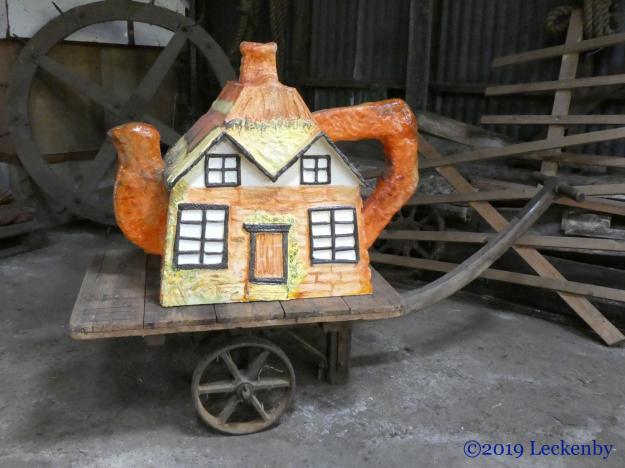
Giant teapot

Around the site there were a few pieces of art from Farnham College of Art. A couple made from fabric and paper were vaguely interesting, one a sheet and some rope was just taking up space, but the best one was a giant cottage teapot on a trolley, the smithy had been filled with such teapots also. My photo makes the trolley look like it’s been made in miniature.

Medication, twice in one week

Still with a few more sheds to check out as they were closing, we decided to stay for the night. A nice mooring apart from the trains going over the bridge close by, they are so noisy! But as the sun vanished out of sight numerous bats swooped, ducked and dived past Oleanna enjoying a major feast. They were so busy Mick decided to close the hatch in case they decided to swoop in.

1 lock, 1.25 miles, 4 digits changed, 1 pointless phone call, 3 nights food, 2 big bags, 5 veg bags, 2 trip hazards, 1 Liza, 2 swans, 8 boards, 1 nervous lad blossoming into a smiley goon, 2 chilled medications, 1 resigned cat, 3 hyperactive bats at least, 01:15 the last noisy train tonight!

https://goo.gl/maps/8uArXzZ47pF9zBio6

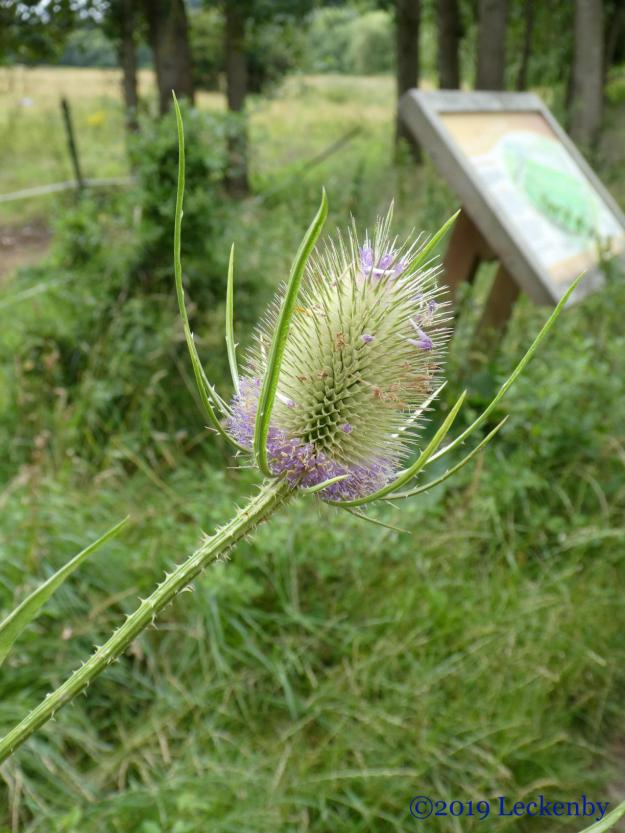
The mystery plant I believe is Dipsacus fullonum, more commonly known as a Teasle. Coming across one on the path made it very obvious. Thank you Debby for your suggestion.

Upton House. 27th September

Castle Quays, Banbury

Still tied up this morning we left Tilly to hold the fort whilst we headed off to catch a bus.

488 bus to Chippy Panto

A study of the National Trust website and transport around the area identified two close properties that we could visit. Upton House and Gardens and Farnborough Hall. Farnborough Hall would have been closer at Clattercote, just about walkable, but it’s opening days didn’t coincide with our cruising. Public transport looked into, well we didn’t want to have to stay there for a week before the next bus back to Banbury so we chose to visit Upton instead.

Buses are more frequent, but then one a week isn’t that hard to expand on! We researched websites and ended up discounting the NT website suggestions of how to get there as the times and bus numbers didn’t tally with the bus website. A short walk to the bus station, just by the lock in Banbury, for the number 6 at 10:20. This took us around villages, winding up and down quite steep hills across the Cotswolds on a bright sunny morning. The bus driver stopped for us at a cross roads. To get the bus back we’d have to stand near the house gates and flag the driver down as there is no official stop. If we missed the bus we’d have to hitch or walk back.

P1410433sm

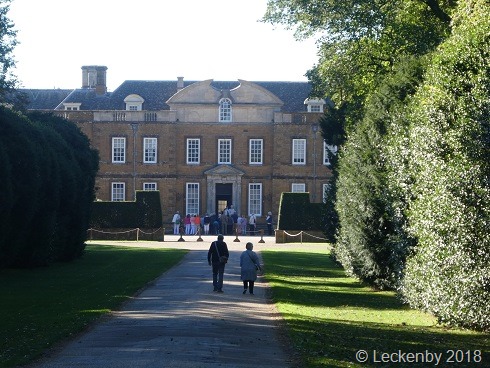
With no path to walk along to get to the entrance we waded along the grass verges. Membership cards scanned we were given a map and told to book an entry slot if we wanted to look round the house. Then a grand drive way leads you to the front of the house.

In Medieval times the land here was used by a monastery from Coventry, one of their fish ponds is still in water on the site today. In 1483 Sir Walter Danvers bought the land plus more surrounding it and built a new house, Upton was then passed down through the generations for 150 years until in 1675 John Danvers died heavily in debt and it was sold on. The house and land then passed through many hands, Andrew Motion (the grand father of the poet of the same name) selling it to Walter Samuel, 2nd Viscount of Bearsted in March 1927.

The South TerraceT

he house was run down and in need of modernisation so Walter and his wife employed architect Percy Morley Horder to remodel the house into a country home for them. The house would also house their large art collection. Two towers that had been built by previous owners were knocked down and replaced with new rooms more in keeping with the house. Walls were removed, a squash court became an art gallery, one floor was removed to give a double height room with a balcony. All in keeping with the 20’s and 30’s style, good quality without ostentation.

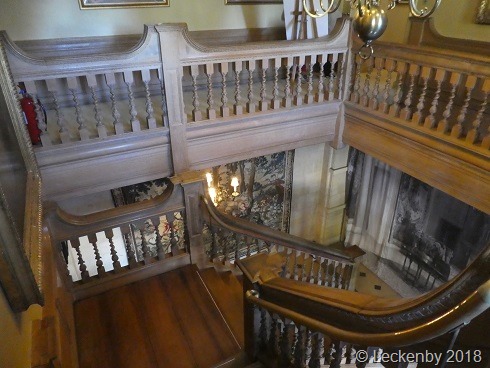
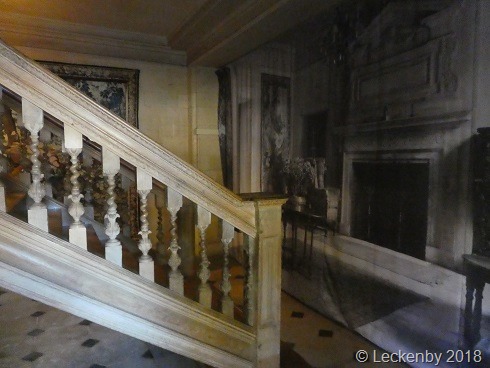
The Grand Staircase to make a grand entrance.............down into a photographOn Lord Bearsted’s death in 1948 he left the house, gardens and art collection to the National Trust. Most of the house has been left how it was when he died, the entrance hall being the exception. This is where you are given an introductory talk about the house and it’s history. The hall has been dressed in Victorian style with stuffed deer and nicnaks everywhere. Where one of the walls had been removed a large curtain printed with a photograph was hung, showing you what the space looked like before it’s makeover. Our guide told us that the staircase behind had been remodelled and turned to face into the hall for those moments when a grand entrance was required. What a shame we couldn’t see the hall how it had been remodelled. A bigger shame that when we got to eventually see the staircase you descended it into another photograph of the hall. We could see what they were trying to do, but not being able to see the hall in one go, a mistake.

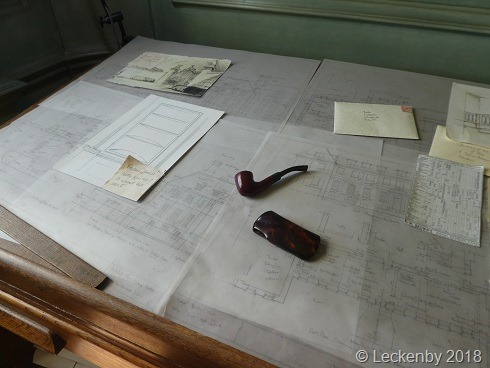
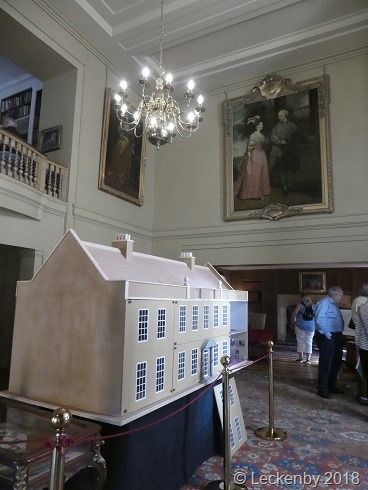
Drawings of the alterations done on metric tracingReynolds portraits and the dolls houseOnce through into the long gallery (another room you couldn’t see from one end to the other due to a large photograph) we were left to walk around the house on our own and glean bits of info from the guides in the rooms. Many of the walls are painted with scumble, similar to the process used to scumble back cabins on narrowboats, except the glaze is patted out with a brush, sponge or rag, so no wood graining here. The rooms now have a simpler feel to them a smaller pallet of colours in each room which helps to show off the art works.

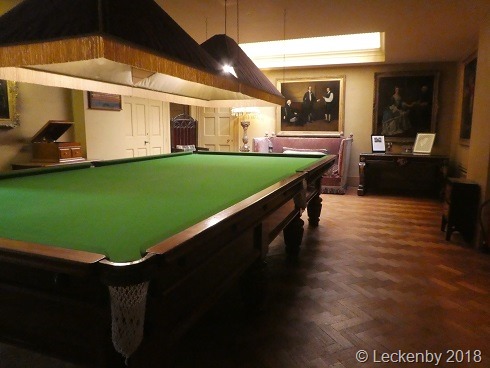
Dolls House version of the dining roomBilliard RoomThe barley twisted balcony looks down from the library into a room where huge portraits are displayed, one by Joshua Reynolds, a cosy sitting area with inglenook fireplace to one side and a billiards room to another. In the centre of the connecting room sits a large dolls house, a replica of Upton House. People have been invited to make items to be added to furnish the house to match the life size one. The scale of 1:12 is a little bit odd to me, although the pieces in the house so far are very well made I can’t help but get uptight about how some things if scaled up would be far far to big. Someone has cross stitched a wonderful rug for one of the rooms, a beautiful object, but scaled up it’s thickness would be getting on for over two inches thick, a trip hazard. But that’s the theatre designer in me.

Beach outfitShell advertBedrooms upstairs are large, many rooms have been made into exhibition areas showing life on the French Riviera. These people had a lot of money, Lord Bearsted’s father having founded The Shell Company. 1930’s advertising posters cover many of the corridor walls and ladies dresses clothe mannequins for you to marvel at their bias cut elegance.

The bathroom

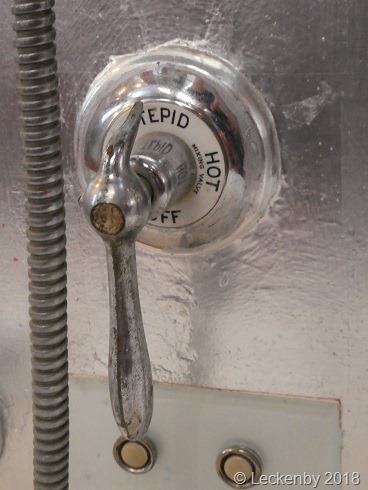
Lady Bearsted’s bathroom is something else. Chinese lacquer red and aluminium leaf with archways. Quite something in it’s day I suspect, now a touch over the top and amateurish.

All those squares of leafOoh, tepid pleaseThe leafing of the walls and ceilings must have taken some time to do. The large bath tub with it’s temperature control, cold, tepid and hot.

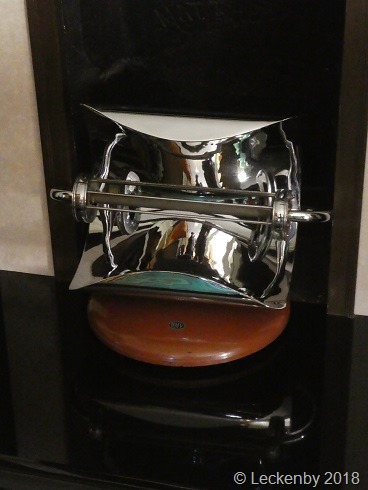
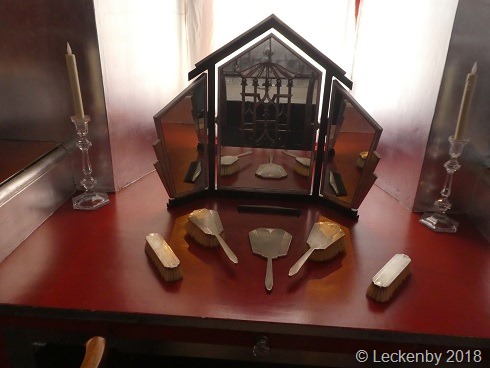
An electric fireMirror and grooming setThe mirror and a wonderful electric fire stood out as the most deco items in the house.

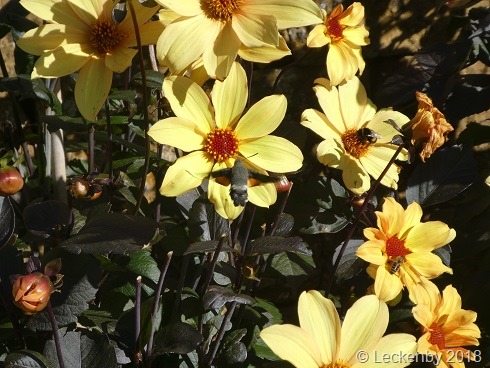
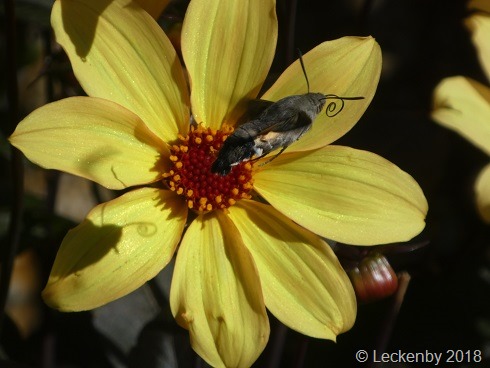
What is this big bodied............ mothy type thing?The gardens upstage the house in our view. The south facing terrace in the sunshine made the house glow , then flower beds followed by a large lawn with swimming pool. The bees and butterflies were certainly enjoying the sunshine and the blooms. One very fat bodied butterfly/moth zoomed around from bloom to bloom, we wondered what it was.

MirrorHa ha

Beyond the grass is the biggest Ha ha you’ve ever seen. The land drops away at an alarming rate. Terraces of shrubs, asters, the the kitchen garden lead you down the steep hill to the mirror pond below. Here dragon flies bobbed up and down, but no fish were visible, they were too busy enjoying someone’s sandwich in the stew pond half way back up the garden. There is a bog garden and cottage. A yew tree walk.
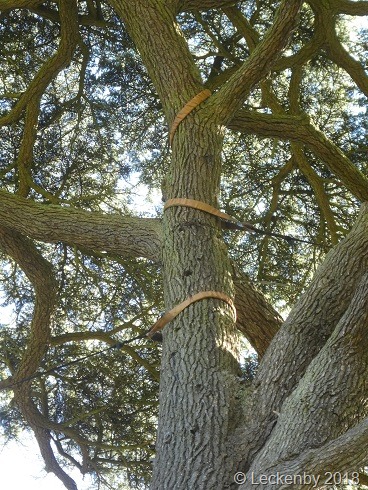
Straps holding the tree upRosy red applesLarge Cedar trees that have straps to try to keep them standing rather than toppling over onto the grass. Rose garden, An orchard full of apples. A wild garden. You could spend all day here just hiking up and down the hills in the garden.

Walkways down the steep terracing

Our walk back to find a suitable place to wait for the bus was accompanied with a tub of chilled medication, we’d worn off enough calories in the garden. We stood on the wide grass verge as cars and lorries sped past at 60 mph. We’d made sure we arrived early as there was only an approximate time for the bus and it could be early. Large conkers kept us amused for a while, but as time went on we both silently wondered if we’d got it wrong and we’d missed the last bus back. About ten minutes later than we’d expected the bus came into view, the driver smiled at us as we waved our arms in a manner that couldn’t be ignored. The bus only runs on school days and it was obvious why as it was full with kids returning to Banbury from Stratford schools.

SquashButterfly

Back at the boat all was well, Tilly had done a good job. We had new neighbours and before we settled down for the evening Mick added some cable ties around our ropes to make it impossible for a chancer to lift them off the bollards.

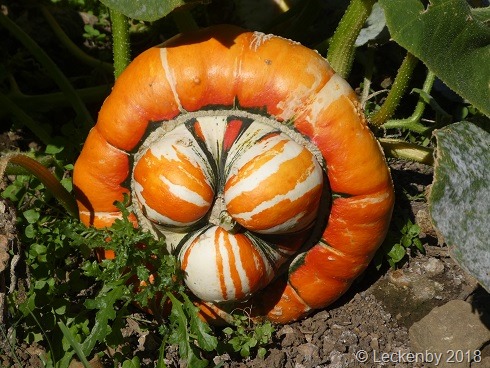
0 locks, 0 miles, 2 buses, 1 big house, 1 El Greco, 3 Canaletto’s, 1 Bruegel triptych, 1 Van Gogh, 1 large dolls house, 1 high haha, 1 vast mirror pool, 1 rather rude squash, 2 colours of spinach, 2456 bees, 2 jacket potatoes, 2 teas, 2 tubs chilled medication, 2 cable ties, 1 bored cat.